Significance of Mangalsutra: Meaning Beyond Gold
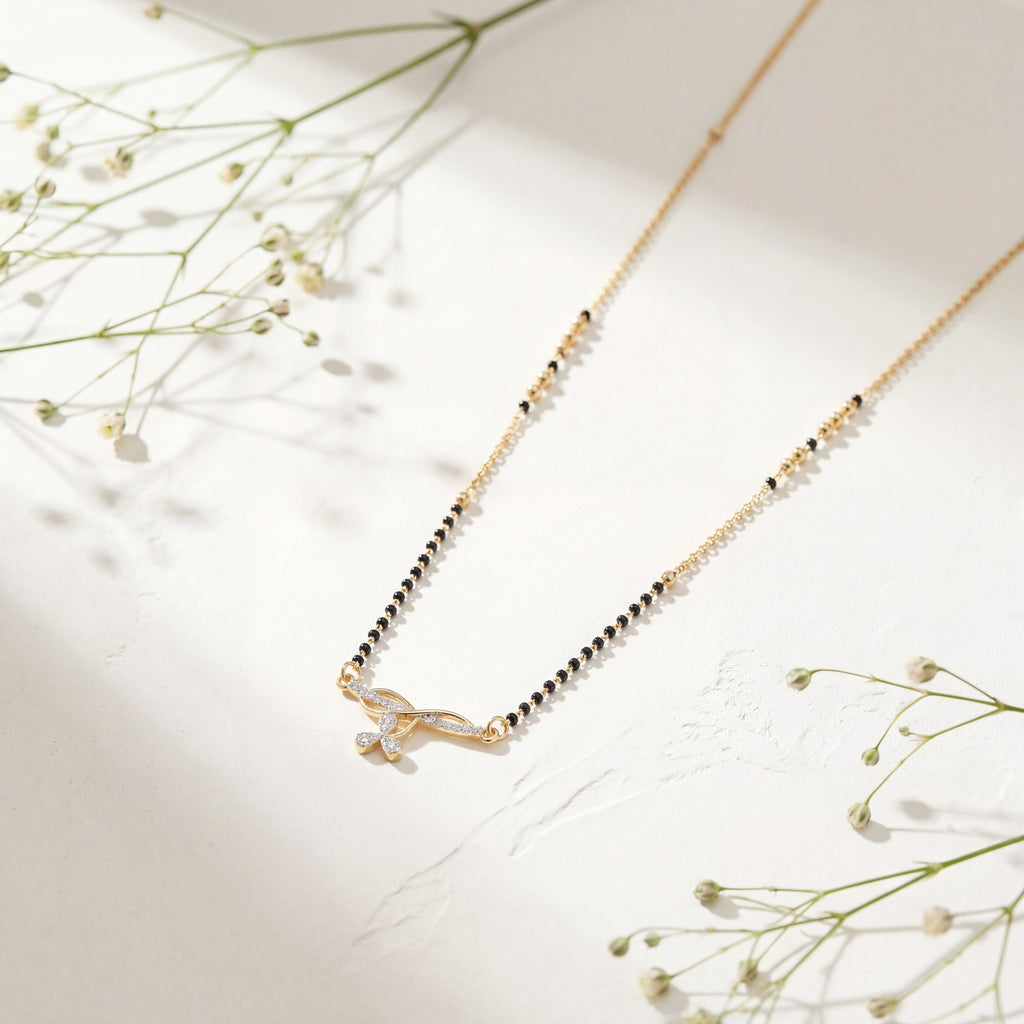
She doesn't wear it because someone told her to.
She wears it because every time her fingers brush against the pendant, she remembers a moment — the nervous laughter during pheras, the weight of a promise made in front of fire, the first morning she woke up and felt the cool beads against her skin.
The significance of mangalsutra has never been about gold or grams. It's about what it holds — a story that no one else needs to understand but her.
And yet, for something so deeply personal, it's often reduced to a "marital symbol" in conversations. Today, let's go deeper. Let's talk about why the mangalsutra is important in a way that truly resonates with the modern Indian woman.
The Mangalsutra: More Than a Marital Symbol
Ask any Indian woman what her mangalsutra means, and you'll rarely hear a textbook answer.
You'll hear about a grandmother's blessing. A mother's tears at the wedding. A quiet promise between two people who chose each other.
The emotional meaning of mangalsutra lives in these stories — not in jewellery catalogues.
It's one of the few pieces of Indian wedding jewellery meaning that transcends aesthetics. It doesn't need to be expensive. It doesn't need to be heavy. It simply needs to carry the weight of what it represents.
Why Is the Mangalsutra Important in Indian Culture?
In Indian tradition, the mangalsutra is tied during the wedding ceremony by the groom around the bride's neck. It represents three sacred elements: love, commitment, and protection.
The word "mangalsutra" itself comes from "mangal" (auspicious) and "sutra" (thread). It's an auspicious thread that binds two lives together.
But here's the quiet truth — its importance isn't defined by scripture alone. It's defined by the woman who wears it.
For some, it's a spiritual anchor. For others, it's a reminder of partnership. And for many modern Indian women, it's a symbol they've chosen to reinterpret on their own terms.
✦ Discover Mangalsutra Designs That Honour Your Story →
The Emotional Layers Most People Don't Talk About
A Connection to the Women Before You
There's something profoundly moving about wearing a piece of jewellery that your mother wore, and her mother before her. Even if your mangalsutra is new, the tradition it carries connects you to generations of women who loved fiercely, sacrificed quietly, and built homes with their bare hands.
When you wear your mangalsutra, you carry them with you.
A Private Promise in a Public World
In a world of social media and public declarations, the mangalsutra remains one of the most private symbols of love. It sits against your skin, close to your heart, seen by many but understood only by you and the person who tied it.
That intimacy is rare. And it's beautiful.
A Modern Act of Choice
Here's what's changed — and what makes this generation remarkable.
Today, wearing a mangalsutra is a choice, not an obligation. And that choice makes it even more powerful. When a woman decides to wear her mangalsutra daily, she's not bowing to tradition. She's embracing it on her terms.
House of Viya exists for this woman — the one who wants her mangalsutra to feel like her, not like a relic of someone else's expectations.
How Modern Women Are Redefining What the Mangalsutra Means
The significance of mangalsutra is evolving beautifully. Today's women are choosing minimalist designs that align with their personal style. They are wearing their mangalsutra as daily wear jewellery — not just for occasions. Many are pairing it with western outfits, stacking it with other necklaces, and making it part of their everyday aesthetic.
They're keeping the emotion. They're updating the expression.
And brands like House of Viya are meeting them exactly where they are — with anti-tarnish, waterproof jewellery that respects the tradition while honouring the woman.
✦ Shop Modern Mangalsutra Designs →
A Note to the Newly Married Woman
If you're reading this and you've just tied the knot, or you're about to — here's what we want you to know.
Your mangalsutra is yours. Wear it how you want. Wear it with a blazer. Wear it with a saree. Wear it to the gym, if that's your thing. There's no wrong way to honour what it means to you.
And if you're looking for a piece that matches the depth of your emotion with the elegance of your everyday life, House of Viya's collection of daily wear mangalsutra designs was made with you in mind.
Styling Suggestion: From Ceremony to Every Day
Many women own one heavy mangalsutra for occasions and want a lighter, everyday version they'll actually wear. House of Viya's earrings collection and bracelets collection complement the mangalsutra beautifully — creating a coordinated look that carries the same minimal luxury aesthetic.
✦ Complete Your Everyday Look — Shop Earrings & Bracelets →
Frequently Asked Questions
What is the significance of mangalsutra in Indian culture?
The mangalsutra is an auspicious thread tied during Indian weddings, representing love, commitment, and protection. Its significance goes beyond tradition — for many women, it carries deep emotional meaning tied to their personal journey and family legacy.
Why is the mangalsutra important for married women?
The mangalsutra symbolises the bond between partners. While it has traditional roots as Indian wedding jewellery, modern women value it as a personal symbol of love and choice, often wearing it as a minimalist daily wear piece.
Can I wear my mangalsutra every day?
Yes. In fact, many women prefer wearing their mangalsutra daily. Choosing an anti-tarnish, waterproof design — like those from House of Viya — ensures it stays beautiful through everyday life without losing its shine or significance.
What is the emotional meaning of mangalsutra?
Beyond its cultural role, the emotional meaning of mangalsutra is deeply personal. It represents the private promise between two people, a connection to maternal lineage, and for today's woman, a conscious choice to carry tradition with grace.
How are modern women redefining the mangalsutra?
Modern women are choosing minimalist mangalsutra designs, wearing them with both ethnic and western outfits, and treating them as everyday jewellery rather than occasion-only pieces. This shift honours the tradition while making it relevant for contemporary lifestyles.
-
Posted in
Mangalsutra